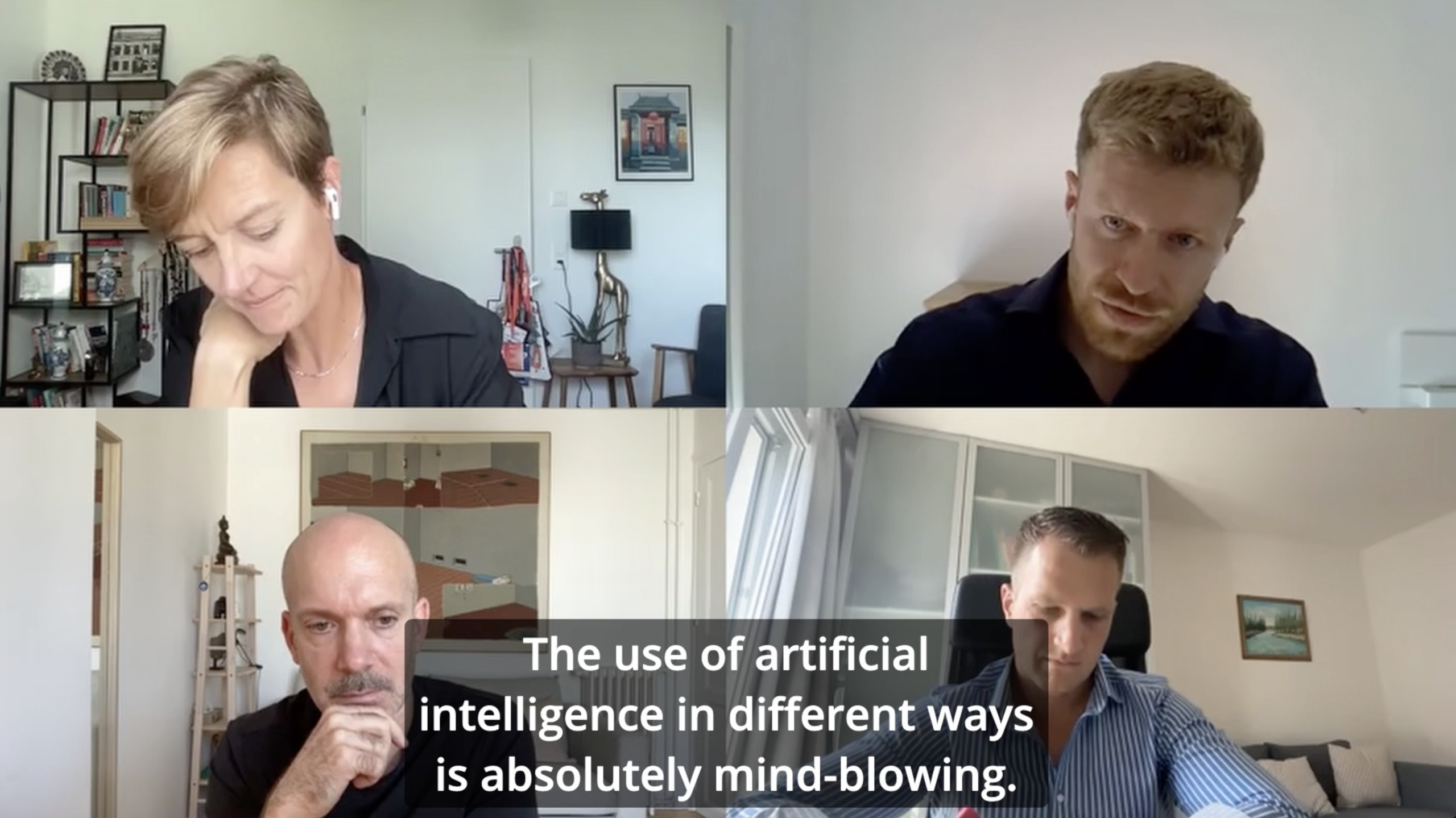
Watch the video with our Head of Marketing Daniel Schink, or read on below.
Crypto illicit transactions are up 162% year on year. AI-powered crypto fraud has surged 500%. People aren’t getting less careful – scammers, now armed with AI, have become extremely skilled at manipulation. AI makes these scams faster to produce, easier to personalize, and much better at exploiting the way we trust.
The victims we see at Recoveris include lawyers, executives, engineers, and developers working in crypto every day. These techniques don’t target your knowledge. They target the way your brain processes trust, urgency, and loss, and those systems run the same way in everyone.
What sophisticated scams actually exploit
A modern crypto scam is a designed product. It uses the cognitive systems all of us share: willingness to trust, reciprocity, pattern recognition, attachment, loss aversion. The same instincts that make you a good partner and a good friend are exactly the instincts a sophisticated scam weaponizes against you.
Understanding how those mechanisms work does two things. It helps you stay safe, because once you can name a manipulation while it’s happening, the power drops. And if something has already gone wrong, it gives you permission to set the shame aside and act quickly, which is often the single biggest factor in whether recovery is still possible.
Five mechanisms show up in casework over and over.
1. Authority bias
A polished LinkedIn profile. A dashboard that looks like a professional platform. A Telegram admin with a verified badge.
Your brain evolved to trust those signals of competence because evaluating every claim from first principles is impossible. When the signals look right, you want to trust. Scammers know exactly which signals trigger that response and build for them.
2. Reciprocity
In almost every pig-butchering case we handle, the first small withdrawal goes through cleanly. The victim sees real money arrive in their real account.
Now their brain owes the platform something. Reciprocity is what makes human society function. When a scammer triggers it deliberately, it makes you trust the wrong person.
3. Sunk cost
After the first transfer, walking away means admitting you were wrong. The brain would rather send more than change the way it views itself.
This is why escalation feels rational from the inside, even when every outside observer can see exactly where it’s going.
4. Attachment
In romance-adjacent scams, weeks of daily conversation activate the same neurochemistry that bonds parents to children. By the time the investment opportunity arrives, your brain literally cannot treat this person as a stranger anymore.
That’s oxytocin doing exactly what it evolved to do. The scammer is just hijacking the system.
5. Loss aversion
Once funds appear trapped, the pain of losing them is so acute that a $2,000 release fee to unlock $200,000 can feel entirely rational. Daniel Kahneman won a Nobel Prize for describing this effect, and it isn’t something clever people are immune to.
The patterns don’t change, only the victims do
Every one of those mechanisms shows up repeatedly in the casework Recoveris has built up over the years. The scripts get more polished, the production value goes up, the personalisation improves with AI. The underlying mechanisms stay the same.
This is why technical knowledge and intelligence offer less protection than people assume. The crime isn’t pitched to your reasoning. It’s pitched to systems that run beneath your reasoning.
If something has already happened
What happened to you is a crime engineered to work on a human brain. You are not the problem. The crime is the problem.
The majority of crypto theft victims never try to recover their funds. They assume it’s pointless. It often isn’t. The outcome depends on what happened, where the funds ended up, and how quickly someone with real forensic methodology gets involved.
If you reach out to Recoveris, we will analyse your best options. The sooner you set the shame aside, the sooner you can act, and acting quickly is what keeps options on the table.
If you’ve lost crypto to a scam or fraud and want to know whether recovery is realistic in your case, schedule a confidential consultation with Recoveris.